The logistics and supply chain business is not only evolving; it is being driven to reinvent itself. With geopolitical volatility, AI disruption, sustainability pressures, and India’s strong infrastructure push, the industry in 2026 looks nothing like it did three or four years ago.
If you’re considering logistics and supply chain management course, here’s the real deal—no fluff, just what matters right now.
1. Supply Chains Are No Longer “Global First”
For years, firms pursued low-cost manufacturing across borders. That model is cracking.
What’s going on:
Companies are migrating to the “China + 1” strategy.
The growth of nearshoring and regional supply chains
Increased emphasis on risk diversification.
Why this matters:
Events such as the COVID-19 outbreak and current geopolitical conflicts demonstrated how vulnerable global supply lines are.
Companies currently prioritise:
Reliability over cost.
Speed trumps scale.
2. AI & Automation Are Running the Backend
This is the most significant shift: logistics is getting more technologically advanced.
Key technologies that dominate:
AI-driven demand forecasting
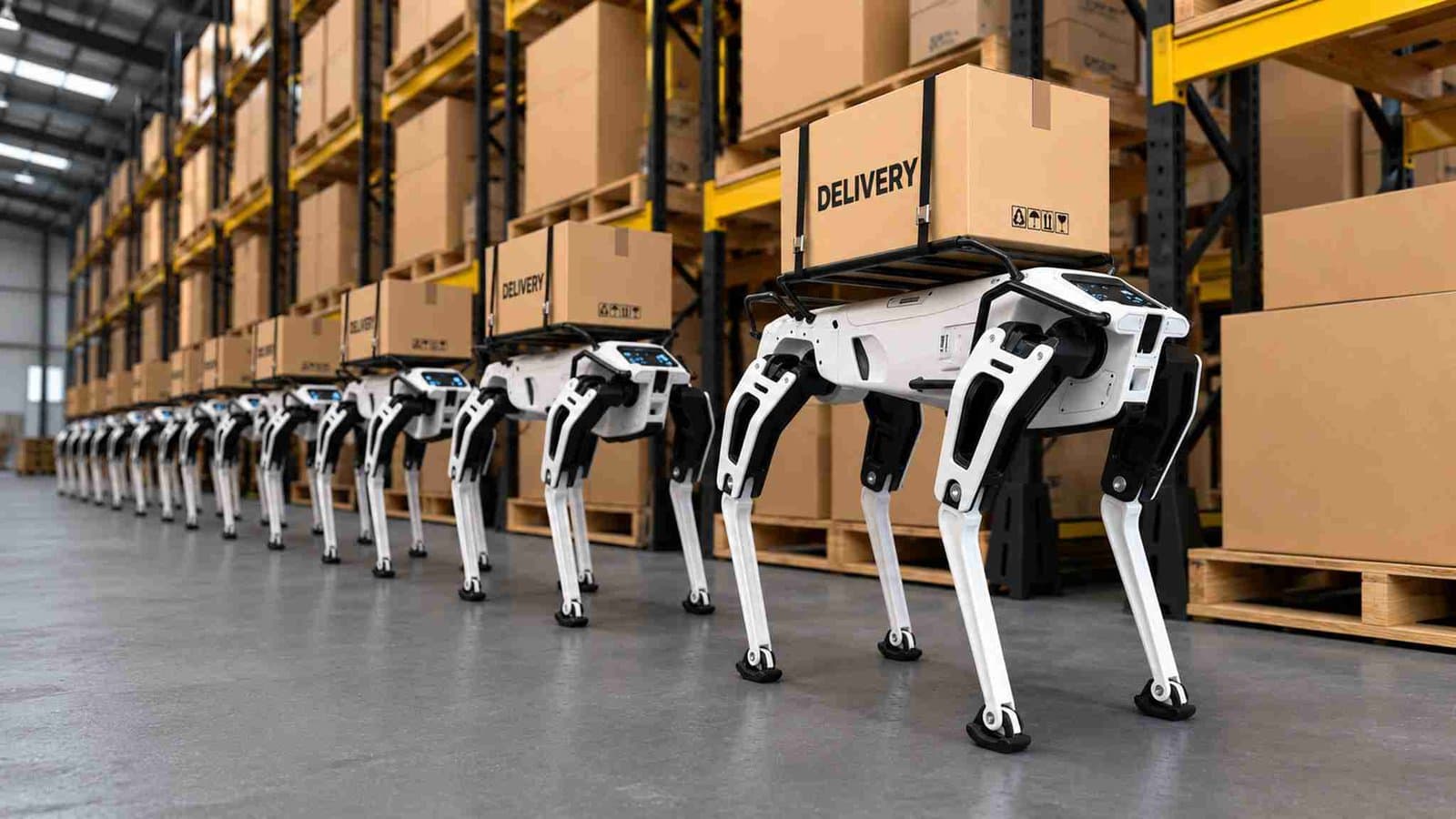
Warehouse automation (robots and AS/RS systems)
Route optimisation with real-time data
Digital twins for supply chain simulation.
Real impact:
Faster deliveries
Lower operational costs.
Fewer human errors.
Roles are evolving from manual coordination to technology-enabled decision making.
3. Last-Mile Delivery Is the Battlefield
The final stage of delivery is now the most expensive and competitive component.
Trends you shouldn’t ignore:
Rise of Same-Day and Quick Commerce
Electric delivery vans (EV fleets).
Hyperlocal warehouses (or “dark stores”)
India-Specific Boom:
Last-mile logistics is growing rapidly, fuelled by platforms such as Flipkart and Amazon, particularly in Tier 2 and 3 cities.
This is where most career possibilities are now growing.
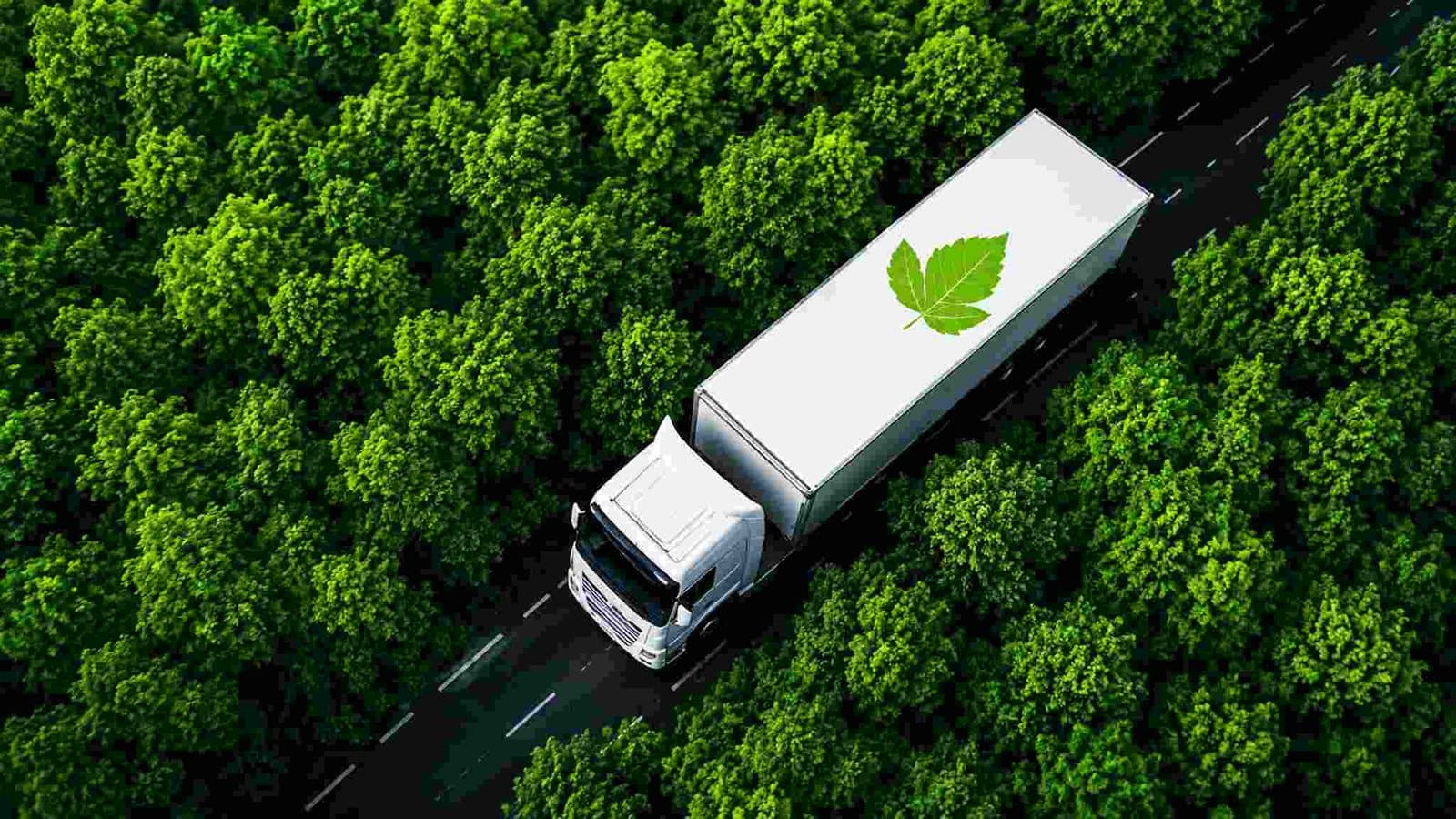
4. Green Logistics Is No Longer Optional
Sustainability has transitioned from “branding” to compliance and cost reduction.
What firms do:
Switching to EV fleets
Using Carbon Tracking Tools
Optimising packaging to minimise waste
Why this matters:
Governments and consumers are fighting for lower emissions, and logistics plays a significant role.
Future experts should understand:
Carbon accounting and sustainable sourcing
Reverse Logistics
5. India Is Becoming a Logistics Powerhouse
India’s logistics business is expanding rapidly.
Major drivers:
Gati Shakti Masterplan
Expansion of highways, ports, and rail freight routes
Growth in e-commerce and manufacturing
Result:
Reduced logistics expenses from approximately 14% to 8% of GDP.
Massive need for skilled professionals.
This is one of the most favourable moments to enter the field in India.
6. Data Is the New Fuel of Supply Chains
Businesses are now forecasting rather than speculating.
Instruments in use:
ERP programs (Oracle, SAP)
Dashboards for supply chain analytics
IoT sensors for tracking in real time
Result:
Improved inventory management
Decreased stockouts
An increase in client satisfaction
You will lag behind if you lack data literacy. It’s that easy.
Conclusion
Supply chain management and logistics are becoming strategic, tech-driven, high-growth fields rather than “backend” occupations.
If you perform it correctly:
You arrive early.
Develop your operational and technical skills.
Keep updated on trends
One of the most future-proof professions available will be yours.