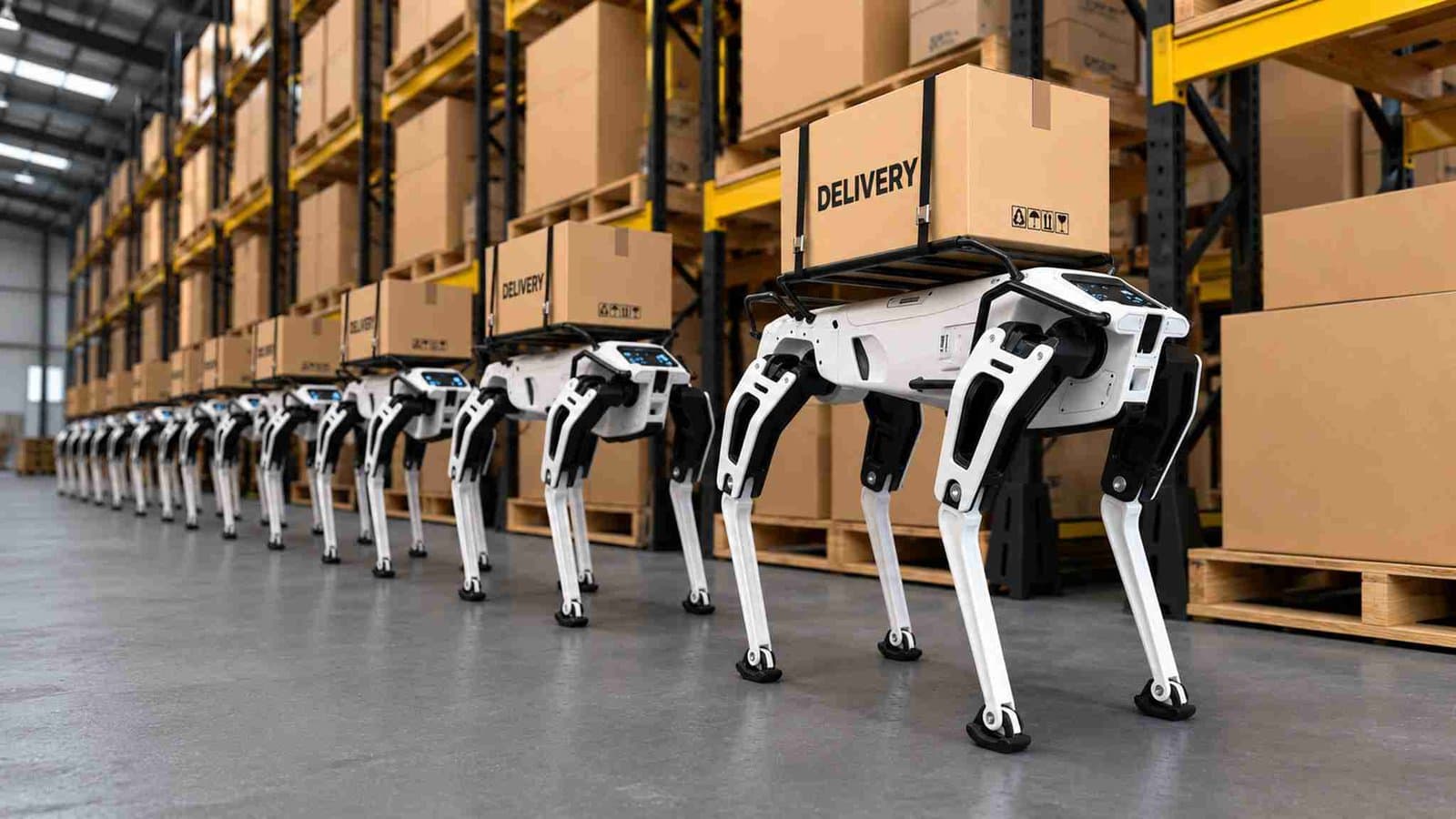
Walk into a modern warehouse in Kochi today, and you’ll notice something different. Inventory counts update themselves. Demand forecasts adjust in real time. Systems flag delays before a human even notices them. This is AI in logistics & supply chain management in action — not a future concept, but a present-day operational shift.
AI in logistics & supply chain management: From Pilot to Production
Globally, warehouse automation has crossed a tipping point. In 2026, AI-powered systems have moved past test projects. They now run live operations across:
Inventory management and automated stock replenishment
Demand forecasting based on real-time sales and seasonal data
Exception handling, flagging delays and disruptions before they escalate
Consequently, companies are shifting from isolated automation tools toward interconnected, AI-guided decision-making across the entire warehouse floor.
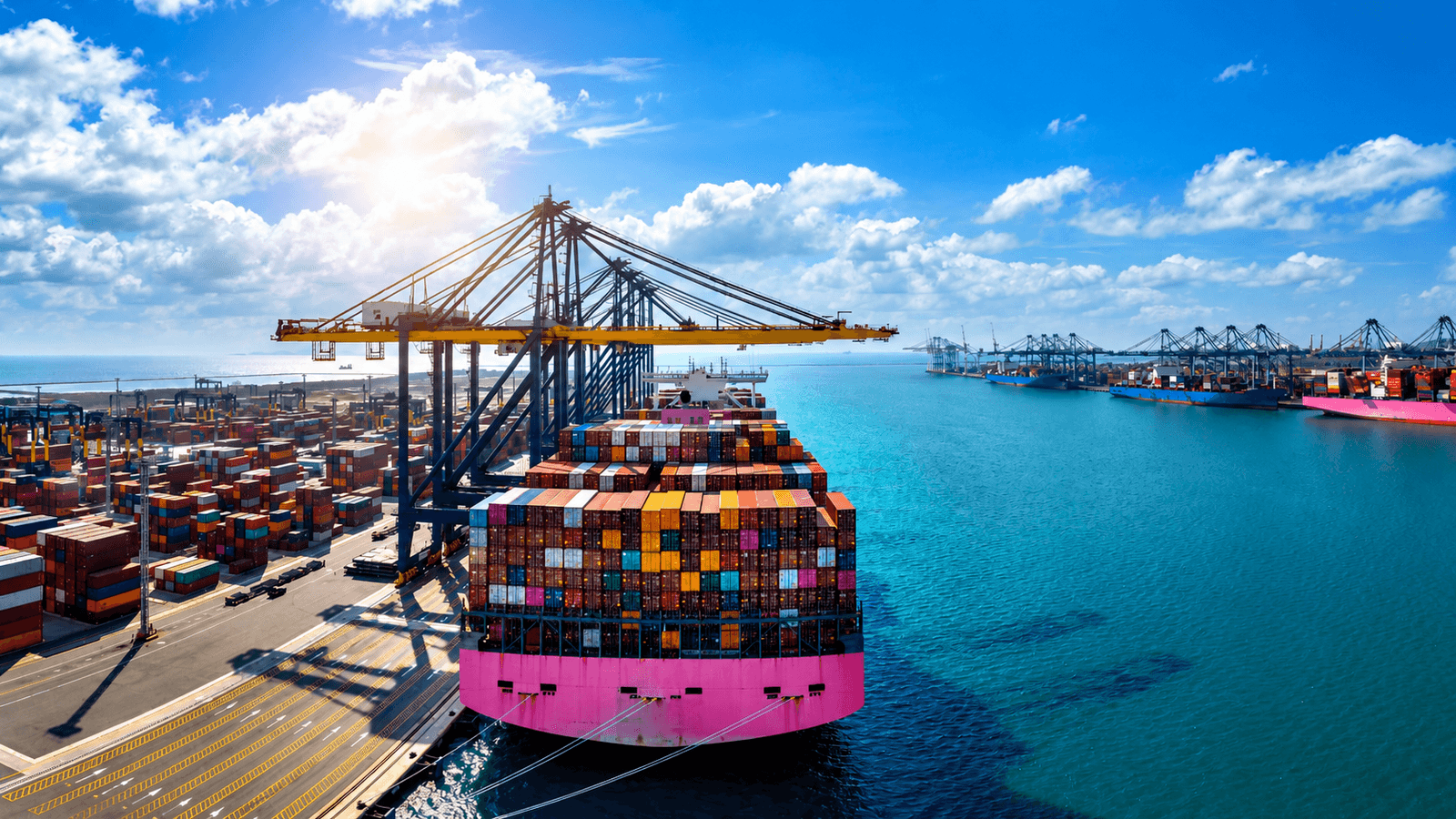
Kerala is part of this shift. DP World’s continued investment in Kochi’s International Container Transshipment Terminal signals growing reliance on tech-enabled logistics infrastructure. So does the state’s expanding e-commerce warehousing footprint in hubs like Kakkanad. Meanwhile, the upcoming Vizhinjam International Seaport will likely accelerate demand further. Professionals who understand both logistics fundamentals and digital tools stand to benefit most. Together, these developments are positioning Kerala as a serious node in India’s tech-enabled logistics network, not just a regional player.
The Skills Gap Is Real — And It’s Local
Here’s the disconnect. Job postings across Kochi and greater Kerala still largely ask for Excel proficiency and basic inventory control — not fluency in AI in logistics and supply chain management. Meanwhile, the roles commanding premium salaries — and the ones multinational operators are hiring for — increasingly expect comfort with:
AI-driven forecasting tools
Warehouse management systems (WMS) with predictive capabilities
Automated exception and disruption workflows
Additionally, the talent pipeline hasn’t caught up. Kerala’s supply of formally trained logistics professionals remains limited relative to demand. Many people still enter the field through experience alone, without structured exposure to modern, technology-enabled supply chain systems. Therefore, the gap isn’t just about jobs available — it’s about who’s actually qualified to fill the higher-value ones. This mismatch creates real opportunity: professionals who close the skills gap early gain a clear edge over a workforce that’s still catching up.
What “AI-Ready” Actually Means for a Logistics Professional
Importantly, this doesn’t mean every logistics professional needs to become a data scientist or programmer. Instead, it means understanding how AI tools function within a warehouse ecosystem. Practically, being AI-ready looks like:
Reading demand-forecasting dashboards and knowing what drives the numbers
Interpreting exception-handling alerts and prioritizing which ones need action
Questioning a forecasting model’s output instead of accepting it blindly
Spotting when a system flags a genuine problem versus a false alarm
Consequently, professionals who can bridge operational logistics knowledge with digital fluency are the ones positioned for premium roles — in Kerala and beyond. Employers are also showing a willingness to pay more for candidates who can point to measurable outcomes: faster order cycles, better forecast accuracy, or reduced fulfillment delays achieved through digital tools.
Closing the Gap Starts With the Right Training
This is precisely the gap SMEC Institute of Management’s Master Diploma in AI in Logistics & Supplychain Management is built to close. The program combines core supply chain fundamentals with hands-on exposure to the AI-driven tools now shaping warehouse and logistics operations. Rather than theoretical knowledge alone, learners get practical, industry-relevant training designed around what employers are actually hiring for today.
As Kerala’s logistics sector continues to modernize, the professionals who invest in this dual skill set now will be the ones running — not just working in — tomorrow’s AI-powered warehouses.
SMEC Institute of Management — Best Logistics Institute in Kerala.