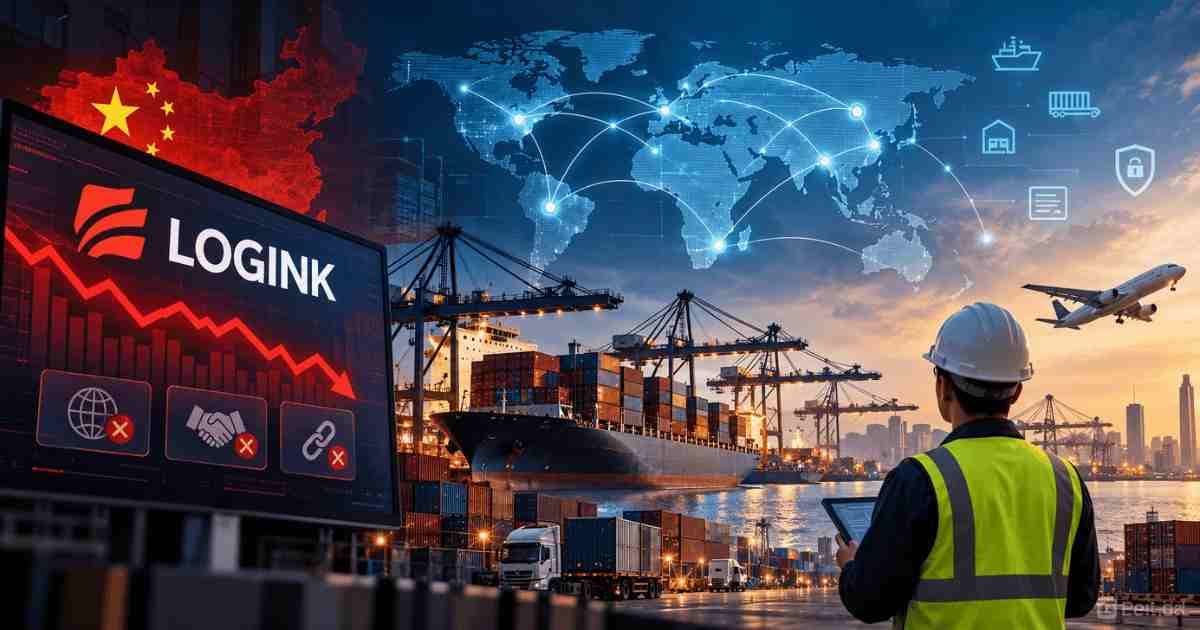
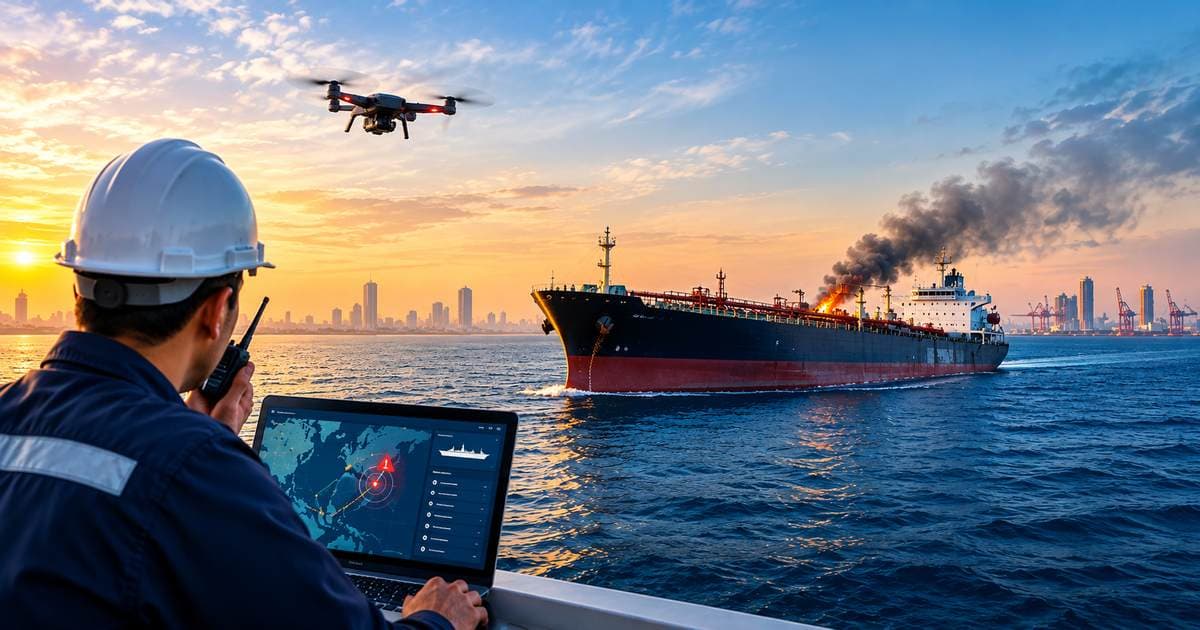
Global shipping faces another security challenge as drone attacks and regional tensions raise concerns about the safety of commercial vessels. An incident involving an oil tanker near Sharjah highlights how quickly security threats can affect maritime operations, cargo movement, and international trade.
For Logistics Companies, the challenge goes beyond protecting ships. They must also manage delivery delays, rising transportation costs, insurance concerns, and uncertainty across global supply chains. As dangers change, businesses rethink how they plan and handle shipments.
Why Are Shipping Routes Facing Greater Risks?
The waters around the Arabian Gulf and the Strait of Hormuz are strategically important for global energy transportation. Any security incident in this region can create concern among ship operators, cargo owners, and international trading partners.
Drone attacks are particularly challenging because they can threaten vessels, disrupt operations, and increase the need for security monitoring. Even when an incident does not completely close a shipping route, heightened alerts and precautionary measures can slow vessel movements.
For the logistics industry, uncertainty itself can become expensive. Ships may face longer waiting times, companies may need alternative routes, and businesses could experience delays in receiving essential materials or delivering finished products.
How Are Logistics Companies Responding to Shipping Risks?
1. Strengthening Real-Time Monitoring
Logistics Companies are increasingly relying on vessel-tracking platforms, maritime security alerts, and route-monitoring systems to understand potential threats. Better visibility helps operations teams identify disruptions earlier and communicate changes to customers.
Real-time data also enables faster judgements when a vessel's planned course becomes dangerous or operationally challenging.
2. Exploring Alternative Shipping Routes
When security risks increase, shipping operators may consider rerouting vessels or adjusting departure schedules. Although alternative routes can improve safety in certain circumstances, they may also increase fuel consumption, transit time, and freight costs.
Companies must therefore balance operational efficiency with crew safety, cargo security, and contractual delivery commitments.
3. Preparing for Higher Costs and Delays
Security concerns can affect marine insurance premiums, vessel availability, freight rates, and port schedules. Logistics planners are responding by reviewing contingency budgets, maintaining communication with suppliers, and preparing backup transportation arrangements.
These measures help businesses reduce the impact of sudden disruptions rather than reacting only after delays occur.
4. Improving Supply Chain Risk Management
Modern logistics planning increasingly involves identifying alternative suppliers, evaluating vulnerable trade routes, and maintaining flexible inventory strategies. Companies that understand where their goods move and which routes pose the greatest risk are better equipped to deal with unanticipated incidents.
What Does This Mean for Marine Logistics?
Marine logistics connects producers, exporters, importers, ports, and customers throughout the world. Security problems highlight why experts in this sector require more than just fundamental shipping expertise.
They must understand vessel operations, cargo documentation, freight coordination, risk assessment, international trade procedures, and digital tracking systems. The ability to interpret changing conditions and make informed decisions is becoming increasingly valuable.
As global shipping grows more complex, practical knowledge of maritime operations and supply chain management can help future professionals prepare for real-world industry challenges.
The Future of Shipping Depends on Preparedness
A drone attack near a major shipping region is a reminder that global trade depends on secure and reliable maritime transportation. While individual incidents may vary in their consequences, the wider lesson is clear: preparedness, accurate information, and flexible planning are essential.
For Logistics Companies, responding effectively means combining technology, risk management, and coordinated decision-making. For aspiring professionals, understanding these challenges offers valuable insight into the changing logistics industry.
At SMEC Institute of Management, learners can explore logistics and supply chain management concepts that connect classroom learning with the practical demands of a changing global trade environment.