Green logistics is quickly becoming one of the most valuable skills in supply chain management. However, very few institutes across Kerala have added it to their curriculum yet. Globally, logistics giants are racing to decarbonize their operations. Meanwhile, local training providers are still teaching supply chain management the way it looked a decade ago. That gap is exactly where the opportunity lies for students willing to get ahead of the curve.
What Is Green Logistics?
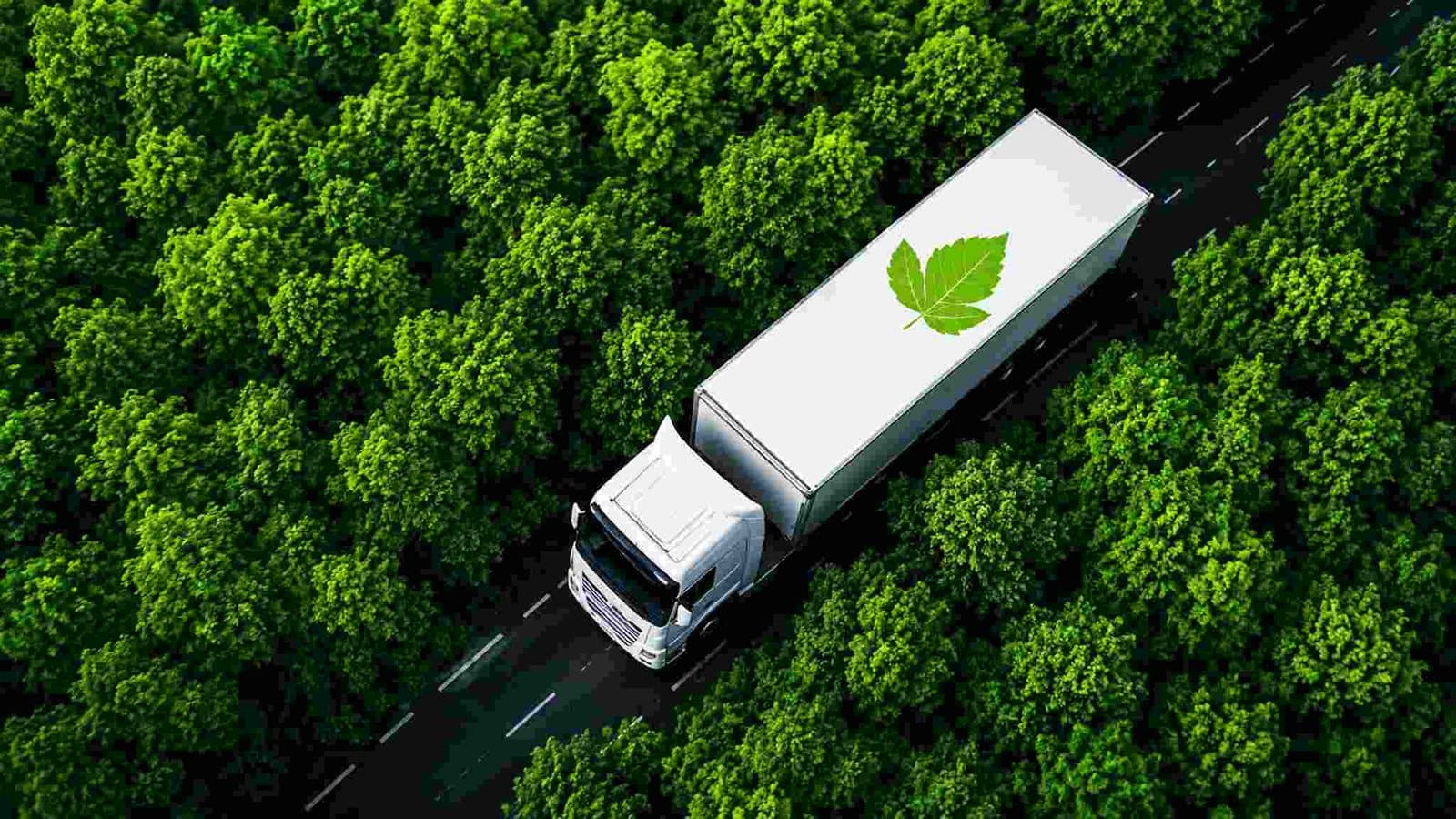
Green logistics refers to the practice of reducing the environmental footprint of supply chain operations — from transportation and warehousing to packaging and reverse logistics. Unlike traditional logistics management, which optimizes primarily for cost and speed, green logistics adds a third variable: environmental impact. This includes route optimization to cut fuel consumption, energy-efficient warehousing, sustainable packaging materials, and structured reverse logistics systems for returns and recycling.
Why Green Logistics Is Gaining Momentum Globally
According to Mordor Intelligence, the global green logistics market is valued at roughly USD 1.5 trillion in 2026. It’s projected to reach USD 2.18 trillion by 2031, growing at a compound annual rate of nearly 7.8%. Tighter regulatory scrutiny, rapid electrification of transport fleets, and falling renewable energy costs are driving this growth. Consequently, companies are rethinking how they select vendors and design contracts.
What makes this especially relevant for Kerala, is the regional picture. Asia-Pacific already commands more than a third of the global green logistics market. In fact, it’s expanding faster than the global average. This isn’t a Western trend trickling in slowly — it’s a region-wide shift, and India’s logistics sector sits right in the middle of it. Additionally, companies that can demonstrate transparent, audited emissions reporting are increasingly winning premium contracts over those that can’t. As a result, the hiring demand for professionals who understand green logistics is only going to grow.
The Skills Gap in Kerala
Kerala’s logistics and supply chain sector has grown steadily, fueled by the state’s ports, warehousing hubs, and expanding e-commerce fulfillment networks. But formal training in sustainable or green logistics practices remains almost nonexistent locally. Most diploma and certification programs still focus on traditional inventory management, transportation planning, and warehousing — without addressing carbon footprint analysis, sustainable procurement, or emissions reporting.
This gap creates a genuine first-mover advantage. Students who build green logistics competencies now will be positioned ahead of a market that hasn’t caught up yet — both in terms of local competition and in terms of institutes actually teaching it.
Career Opportunities in Green Logistics
As sustainability shifts from a compliance checkbox to a business requirement, new roles are emerging across the logistics value chain:
- Sustainability Analyst — tracking and reporting on emissions and environmental impact across supply chain operations
- Green Supply Chain Coordinator — managing eco-friendly sourcing, packaging, and distribution decisions
- ESG Compliance Specialist (Logistics) — ensuring operations meet evolving environmental regulations and reporting standards
These roles are opening up across 3PL companies, manufacturing firms, e-commerce logistics providers, and marine logistics — an area where sustainable shipping practices are becoming increasingly central to how the industry operates.
How to Build Green Logistics Skills
Building competency in this space means developing a working understanding of carbon footprint analysis, sustainable procurement practices, and energy-efficient warehousing design — skills that sit at the intersection of traditional supply chain knowledge and emerging sustainability standards.
Structured programs like the Master Diploma in AI SCM & Logistics are designed to build this kind of layered expertise, combining core supply chain fundamentals with the kind of forward-looking, technology- and sustainability-aware training the industry is beginning to demand.
Conclusion
Green logistics isn’t a niche specialization anymore — it’s becoming a baseline expectation across the industry, and the market data backs that up. Kerala’s logistics sector is growing, but its training ecosystem hasn’t caught up to this shift yet. For students willing to build this skill set early, that gap is an opportunity, not a barrier.
Best Logistics Institute in Kerala