What Is a Global Supply Chain?
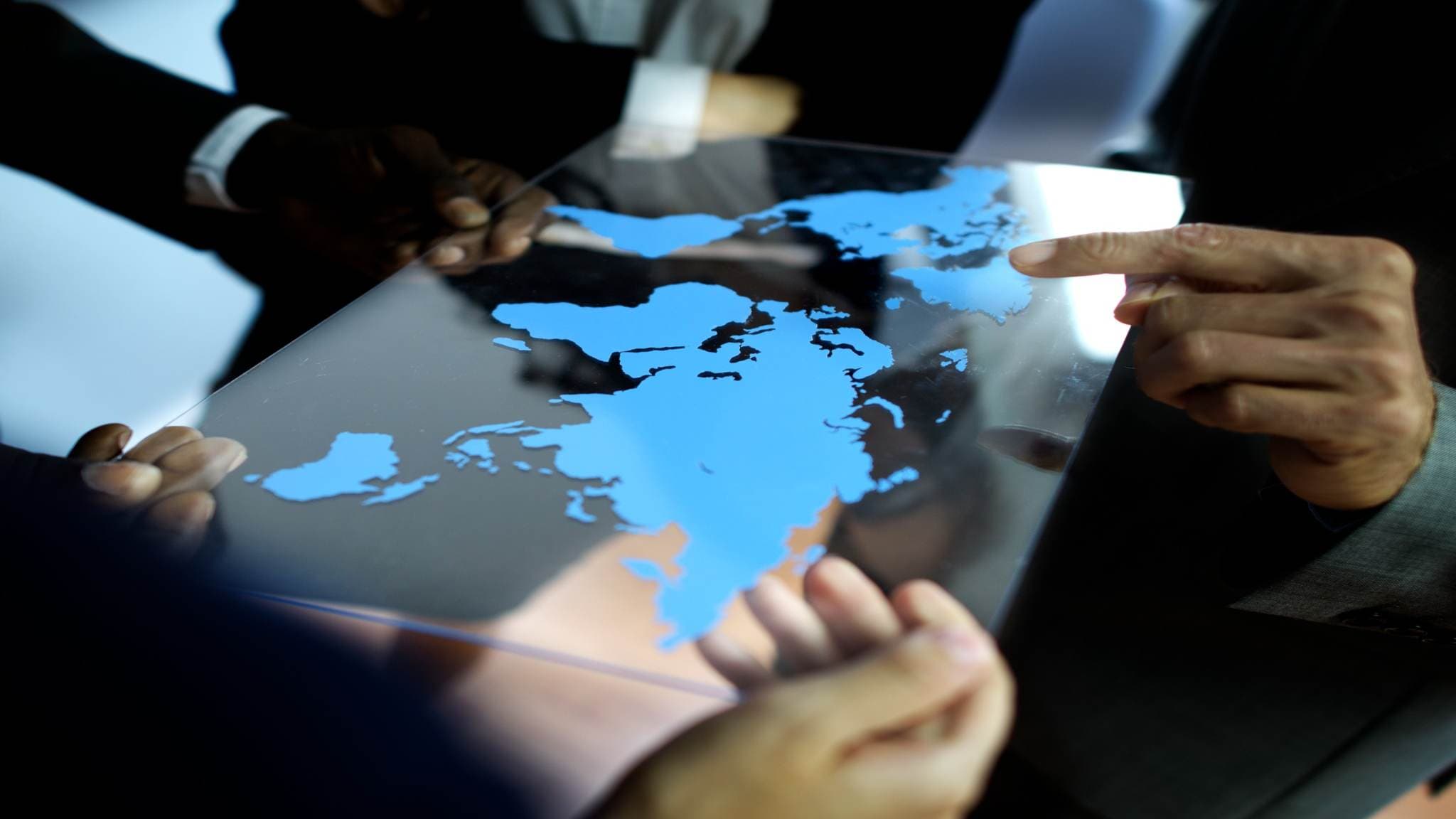
Every time you unbox a phone, wear a t-shirt, or drink your morning coffee, you're holding the end result of a global supply chain — a network of suppliers, factories, shippers, and retailers spread across several countries that work together to turn raw materials into a finished product. According to the World Trade Organization, most goods today are effectively "made in the world" rather than in any single country, since design, component manufacturing, assembly, and marketing often happen in entirely different places.
The Core Stages
Most global supply chains move through four connected stages:
Sourcing/Procurement — Raw materials and components are bought from suppliers, often chosen for cost, quality, or specialised expertise available in a particular country.
Manufacturing/Production — Materials are converted into finished or semi-finished goods, with quality checks along the way.
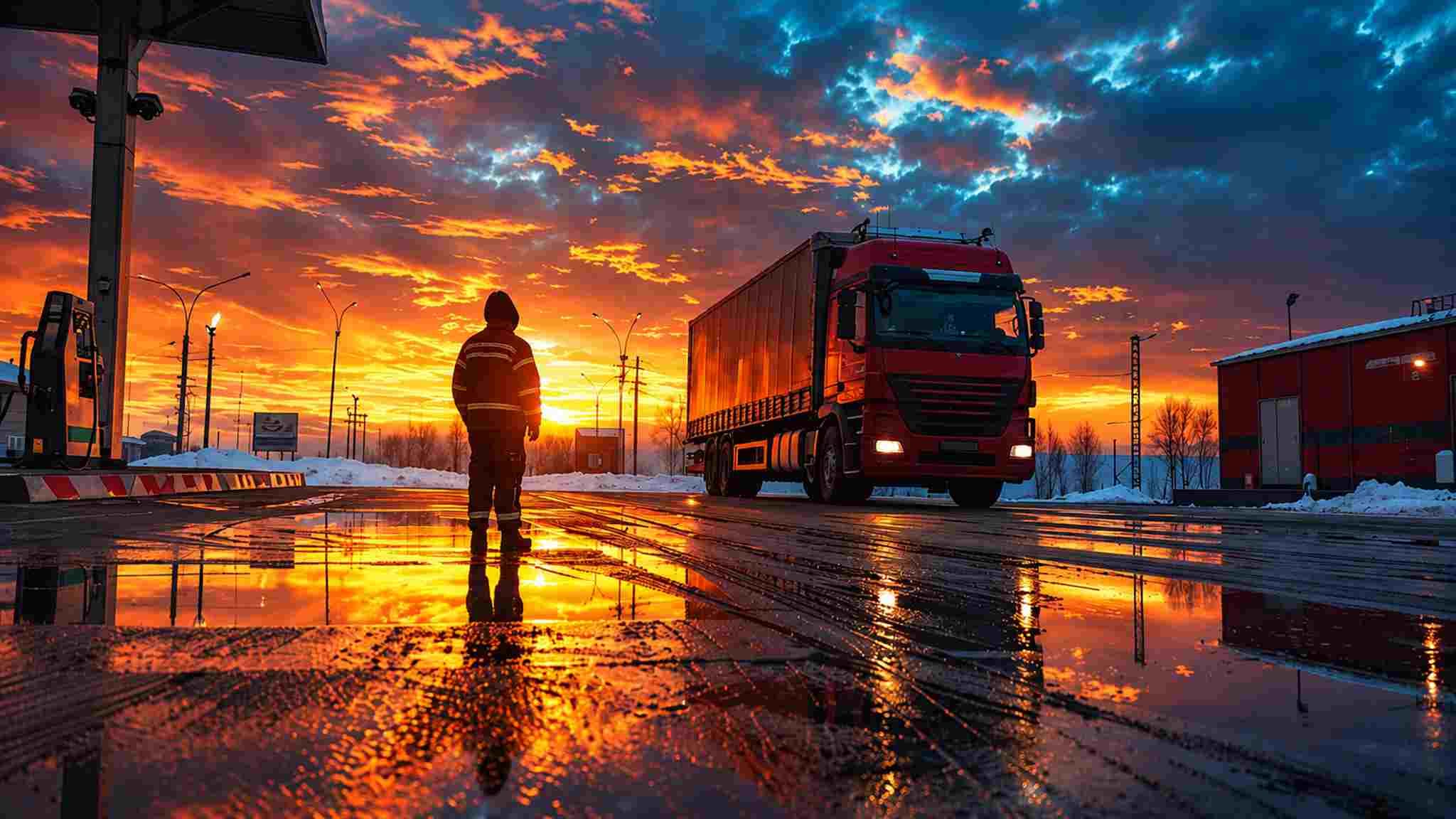
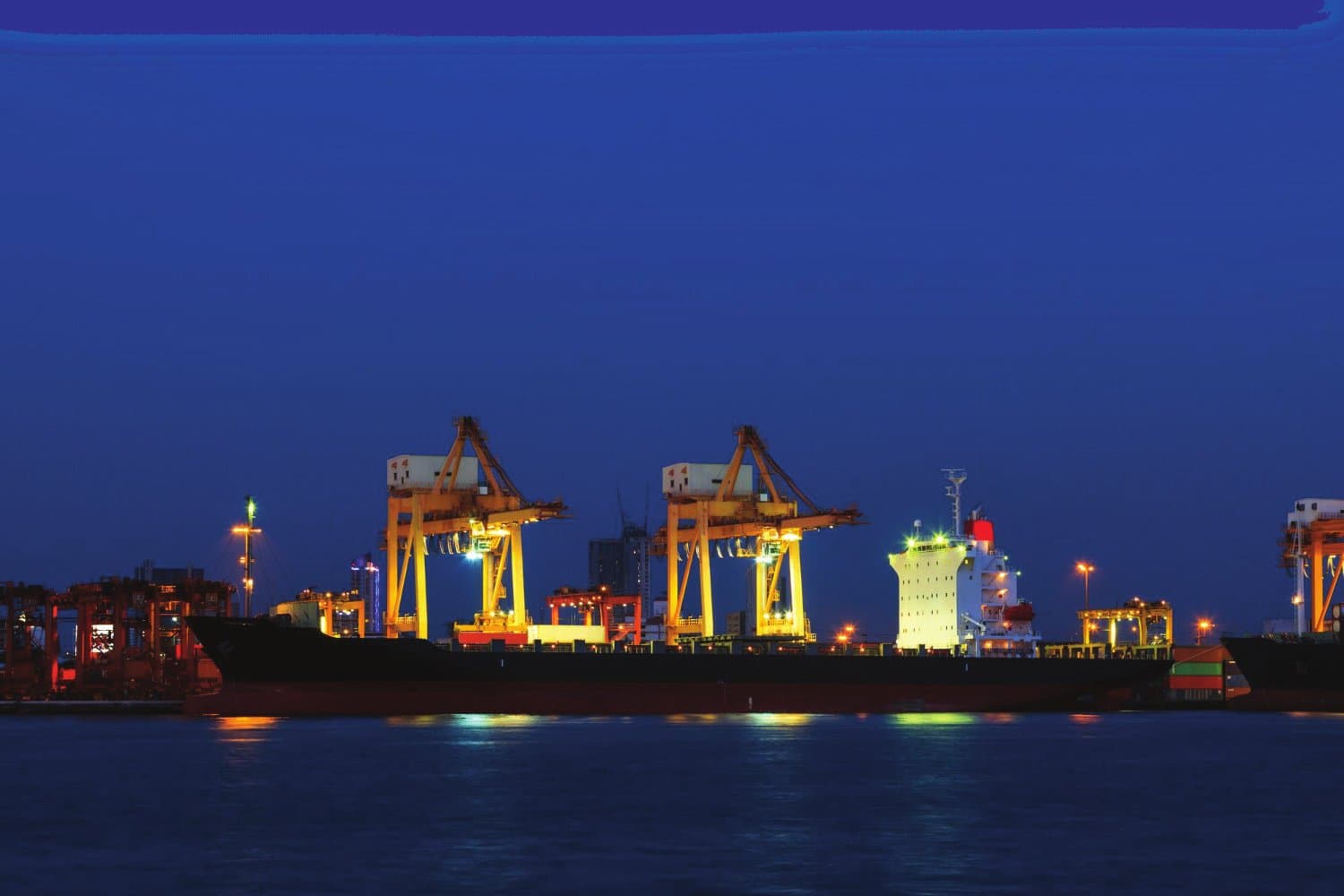
Logistics/Distribution — Products move through warehouses, ports, and transport networks (ships, trucks, air freight) to reach markets around the world.
Retail/Delivery — The finished product reaches a store shelf or, increasingly, a customer's doorstep.
Some businesses add a fifth stage — reverse logistics — to handle returns and recycling.
Why Supply Chains Went Global
Three forces pushed production across borders: falling trade barriers, cheaper communication and shipping technology, and companies locating each stage of production wherever it could be done most efficiently — a principle known as comparative advantage. Over time, reliability became just as important as low cost, so businesses began favouring suppliers who could deliver consistently over those who were simply nearby or cheapest.
This shift has been enormous. WTO data shows global value chains still account for roughly 46% of world trade as of 2024 — only slightly below their 2022 peak of 48% — showing that global production networks are being reshaped, not abandoned.
A Familiar Example
Take a typical smartphone: the processor may be designed in one country, its chips fabricated in another, components sourced from several more, and final assembly done somewhere else entirely — before the finished device ships worldwide. A single product can cross a dozen borders before it ever reaches a customer.
What's Disrupting Supply Chains in 2026
Global supply chains are under real pressure this year:
Trade policy shifts — Tariffs and new trade restrictions are adding cost and compliance complexity for businesses moving goods across borders.
Shipping chokepoints — Disruptions near the Red Sea have pushed vessels to reroute around Africa instead of the Suez Canal, which normally carries about 15% of global maritime trade, adding significant delivery delays.
Regionalisation — Many companies are adopting "China-plus-one" sourcing, nearshoring, and friendshoring to reduce dependence on any single country.
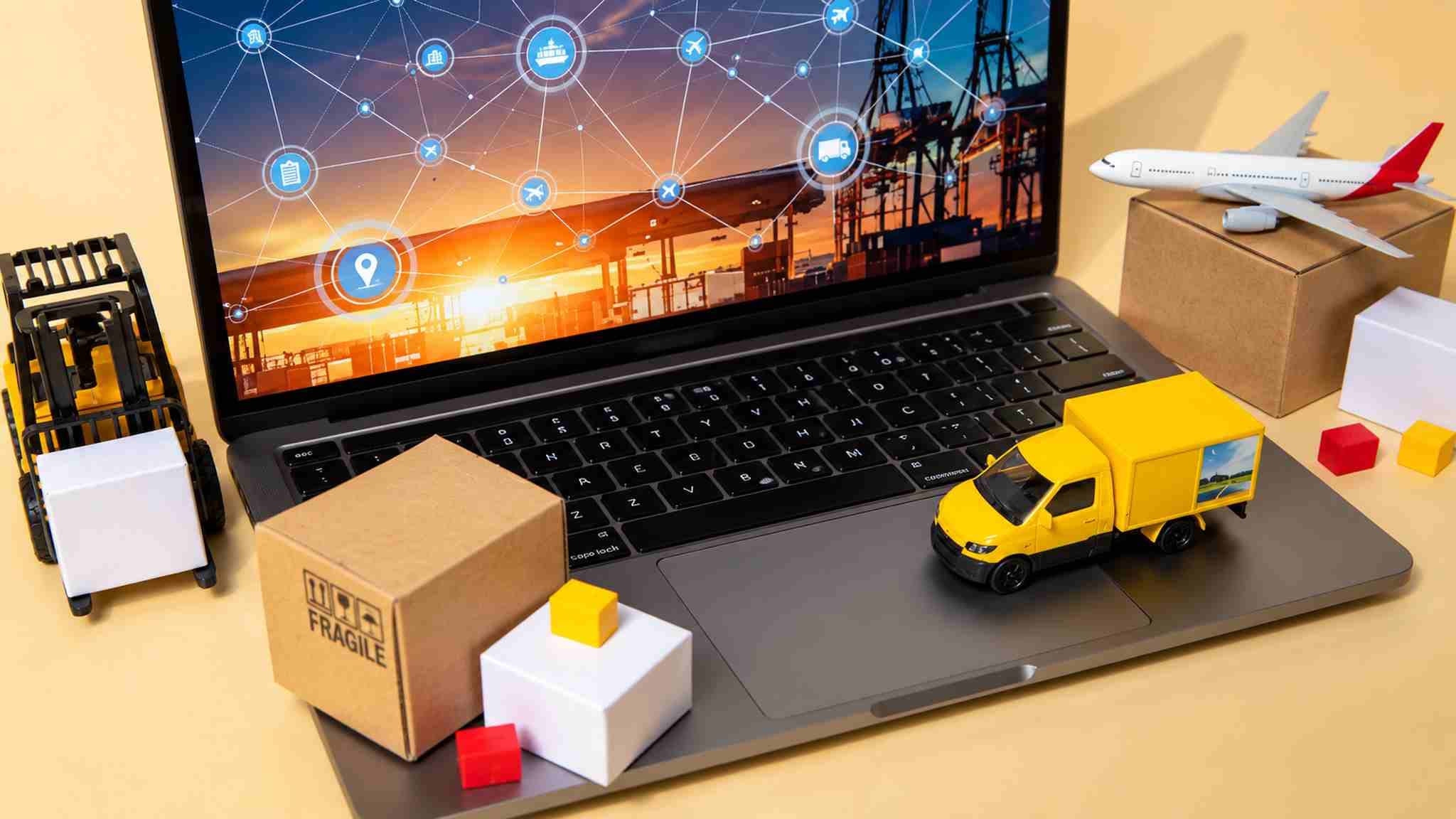
AI-driven visibility — Businesses are increasingly using AI for demand forecasting, risk monitoring, and procurement to react faster to disruptions.
Why This Matters
Understanding how global supply chains work isn't just for logistics professionals — it explains why prices shift, why certain products face delays, and why businesses are rethinking where and how they source and manufacture. As supply chains keep reconfiguring rather than shrinking, resilience and visibility are becoming just as important as cost.
Build Your Career in Global Supply Chains
Curious how these global networks actually run day to day? SMEC Institute of Management offers AI-integrated diplomas in Logistics & Supply Chain Management — Bureau Veritas approved and NSDC/LSC aligned — with hands-on training on SAP S/4HANA MM, warehouse management systems, and real port, warehouse, and air-cargo exposure. With 25+ years of excellence and 100% placement assistance through CareerX360, SMEC has helped 50,000+ students build careers with partners like Maersk, DHL, DP World, and FedEx.