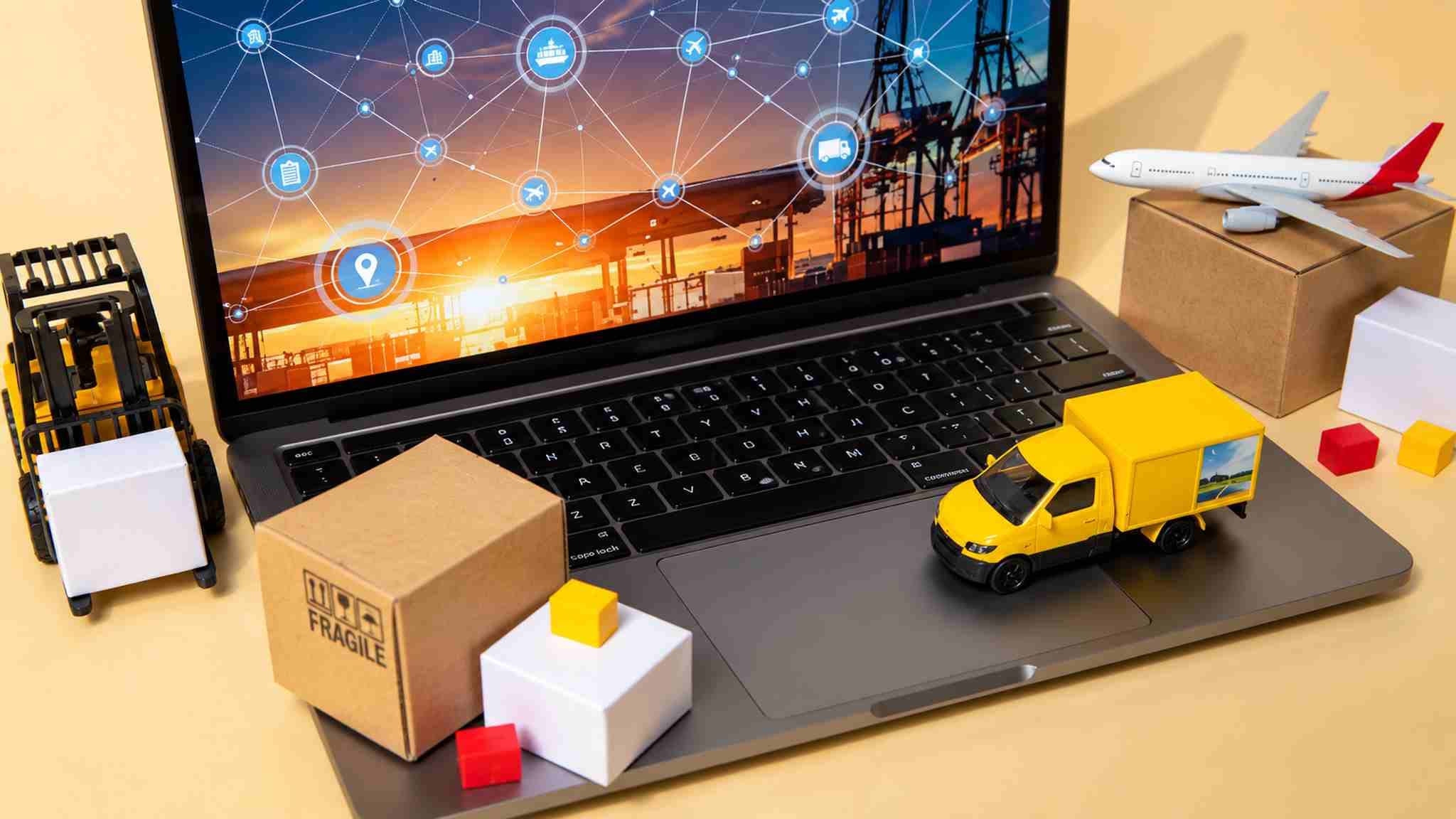

India's supply chains are getting a serious upgrade — and with them, PM Gati Shakti logistics jobs are opening up faster than most people realise. For decades, the country's logistics sector carried a quiet but expensive burden: roads, railways, ports, and airports were planned by different ministries, on different timelines, with barely any coordination between them. The result was a logistics cost that ran as high as 13-14% of GDP, well above the global benchmark of 8%. That inefficiency didn't just slow down cargo — it slowed down the entire economy around it.
PM Gati Shakti, launched in 2021 as a National Master Plan for multi-modal connectivity, was built to fix exactly this. It brings 16 ministries onto a single digital platform so that when a new highway or rail line is planned, the freight corridors, warehouses, and last-mile connections it needs are planned right alongside it. Running in parallel is the National Logistics Policy (NLP), launched in September 2022, which handles the human side of the equation — skilling, digitisation, and regulatory reform. Together, these two initiatives aren't just an infrastructure story. They're rapidly becoming one of India's biggest job creation stories.
The Jobs Behind the Infrastructure
The scale of employment this is generating is difficult to overstate. The NLP has set out to roughly double employment in the logistics sector, targeting 10-15 million additional jobs on top of a workforce that already employs over 22 million people across India. And this isn't just a projection sitting in a policy document — individual projects are already delivering at that scale. A Cabinet-approved road and node-integration project cleared in June 2026, for instance, is projected to generate close to 32.59 lakh direct and 40.55 lakh indirect person-days of local employment. An earlier railway land-leasing policy under the same broader scheme was separately estimated to create around 1.2 lakh jobs on its own.
What makes this moment particularly interesting for job seekers is that the roles being created look nothing like the logistics jobs of a decade ago. Alongside the traditional demand for drivers, loaders, and warehouse staff, a whole new layer of white-collar and tech-driven roles is emerging — supply chain analysts, freight planners, warehouse automation specialists, and logistics-tech professionals working on platforms like the government's Unified Logistics Interface Platform (ULIP). The sector is professionalising in real time, and the people entering it now are shaping what those roles look like.
Where the Skilling Is Happening
None of this growth works without people trained to fill it, and the government has been building that pipeline deliberately:
Over 65,000 logistics professionals were trained between 2023 and 2025 under new qualification packs
More than 100 universities and institutes now offer logistics-related courses
GatiShakti Vishwavidyalaya — India's first university dedicated entirely to transport and logistics — has launched dedicated undergraduate and postgraduate programs
A Centre of Excellence for City Logistics at SPA Bhopal has trained over 100 officials so far
This kind of institutional backing signals something important: logistics is no longer treated as an unskilled, fallback career path. It's being built into a formal, qualification-driven profession, with a clear route from classroom to career for anyone who gets in early.
What This Means for Job Seekers
For students and early-career professionals, this is arguably the best entry point the logistics sector has offered in years. Opportunities are no longer concentrated only in Mumbai or Delhi — emerging logistics nodes and multi-modal hubs are pushing genuine demand into tier-2 and tier-3 cities as well. And because the sector is actively short on trained talent relative to how fast it's growing, candidates who come in with a formal logistics or supply chain qualification have a real, measurable edge over those relying on on-the-job experience alone. Career paths now stretch well beyond the movement of goods, spanning operations, analytics, planning, and technology.
In short: PM Gati Shakti isn't just moving cargo faster — it's moving careers forward, and the next few years look like the right window to get in.
Build Your Career in This Space with SMEC Institute of Management
If this growth story has you thinking about a future in supply chain and logistics, the timing couldn't be better. SMEC Institute of Management offers industry-aligned programs designed for exactly the kind of roles PM Gati Shakti and the National Logistics Policy are creating — from supply chain planning to warehouse and freight operations. The curriculum is built around real industry demand, backed by strong placement support that helps students move from classroom learning straight into the careers this logistics boom is opening up.
Explore our management programs and find out how SMEC can help you build a career in India's fastest-growing logistics ecosystem.