


Marine logistics is not a niche; it accounts for more than 80% of global trade volume.However, by 2026, this industry will have seen significant transformations as a result of technological advancements, sustainability pressures, and geopolitical developments.
If you’re considering a career in marine logistics, here’s an overview of the current scene.
1. Global Shipping Is Still the King—But It’s Under Pressure
Shipping continues to be the most cost-effective means to transfer goods on a large scale. However, it is encountering major disruptions.
What’s going on:
- Port congestion still impacts vital commercial routes.
- Freight charges vary unpredictably.
- The Red Sea and geopolitical tensions are affecting maritime lines.
Real-world impact:
Events such as the Suez Canal blockade showed how one disruption may stifle global trade.
Companies are now focusing on:
- Route Diversification
- Buffer inventory strategies.
- Multi-port logistics planning.
2. Smart Ports Are Replacing Traditional Ports
Ports are no longer just sites for human labour; they are also emerging as tech ecosystems.
Technologies Changing Ports:
- AI-driven cargo handling
- IoT-powered container tracking
- Autonomous cranes and vehicles
- Blockchain for documentation.
Result:
- Faster turnaround times
- Reduced human dependence
- Ports like Singapore set global standards for efficiency.
3. Green Shipping Is the Industry’s Biggest Challenge
Shipping accounts for almost 3% of worldwide CO₂ emissions, and regulations are tightening.
What’s Changing:
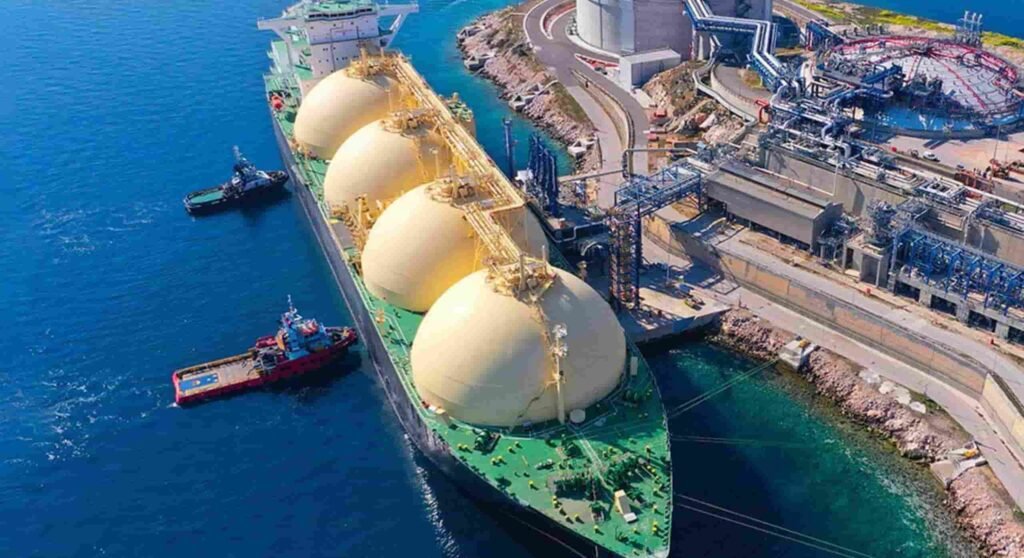
- Switch to alternate fuels (LNG, ammonia, and methanol).
- Slow steaming reduces fuel use.
- Carbon Tracking Regulations
Key driver:
- The International Maritime Organization aims toward net-zero emissions by 2050.
- This creates a requirement for professionals that understand
- Sustainable shipping operations
- Environmental compliance
- Fuel optimisation schemes
4. India’s Marine Logistics Sector Is Booming
India is making substantial investments in maritime infrastructure.
Major Initiatives:
- Sagarmala Project (Port-Led Development)
- Extension of container terminals
- Coastal shipping growth.
Key ports:
Jawaharlal Nehru Port, Cochin Port, and Vizhinjam International Seaport
Result:
- Increased employment opportunities
- Lower logistics costs
- Boost to exports and imports
5. Containerization Still Dominates in Marine Logistics—but It’s Evolving
Standard containers revolutionised shipping, but they’re becoming smarter.
Trends:
- Smart containers with GPS and sensors.
- Real-time condition monitoring (temperature and humidity)
- Improve cargo security.
Especially important for:
- Pharmaceutical logistics
- Food Supply Chains
- High-value commodities.
6. Integration with End-to-End Supply Chains
Marine logistics is no longer independent; it is now strongly connected with land and aviation logistics.
What does this mean?
- Port-to-door delivery systems.
- Multimodal logistics (ship, rail, and road).
- Integrated digital documentation
Professionals should understand:
Complete supply chain flow—not simply shipping