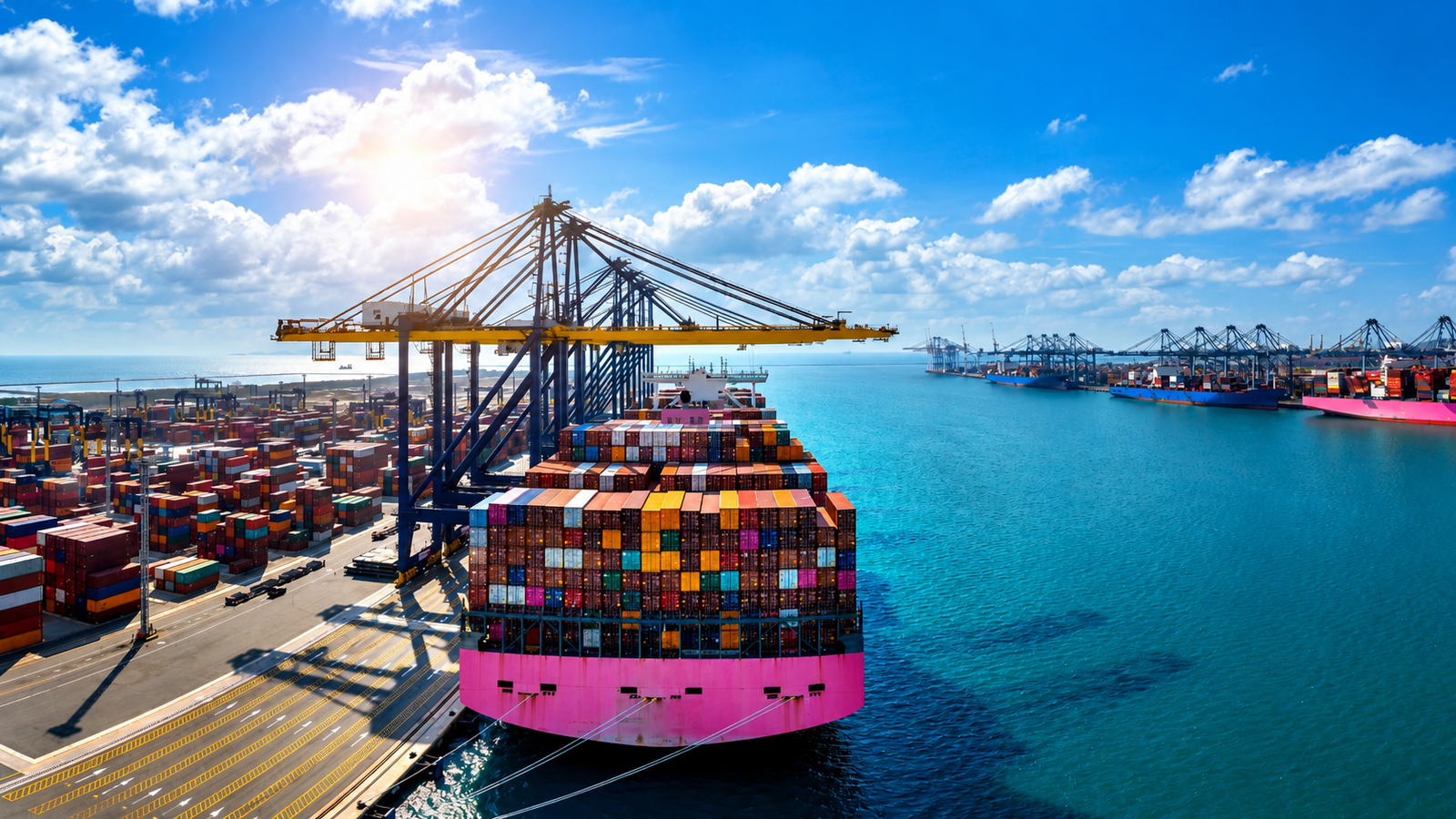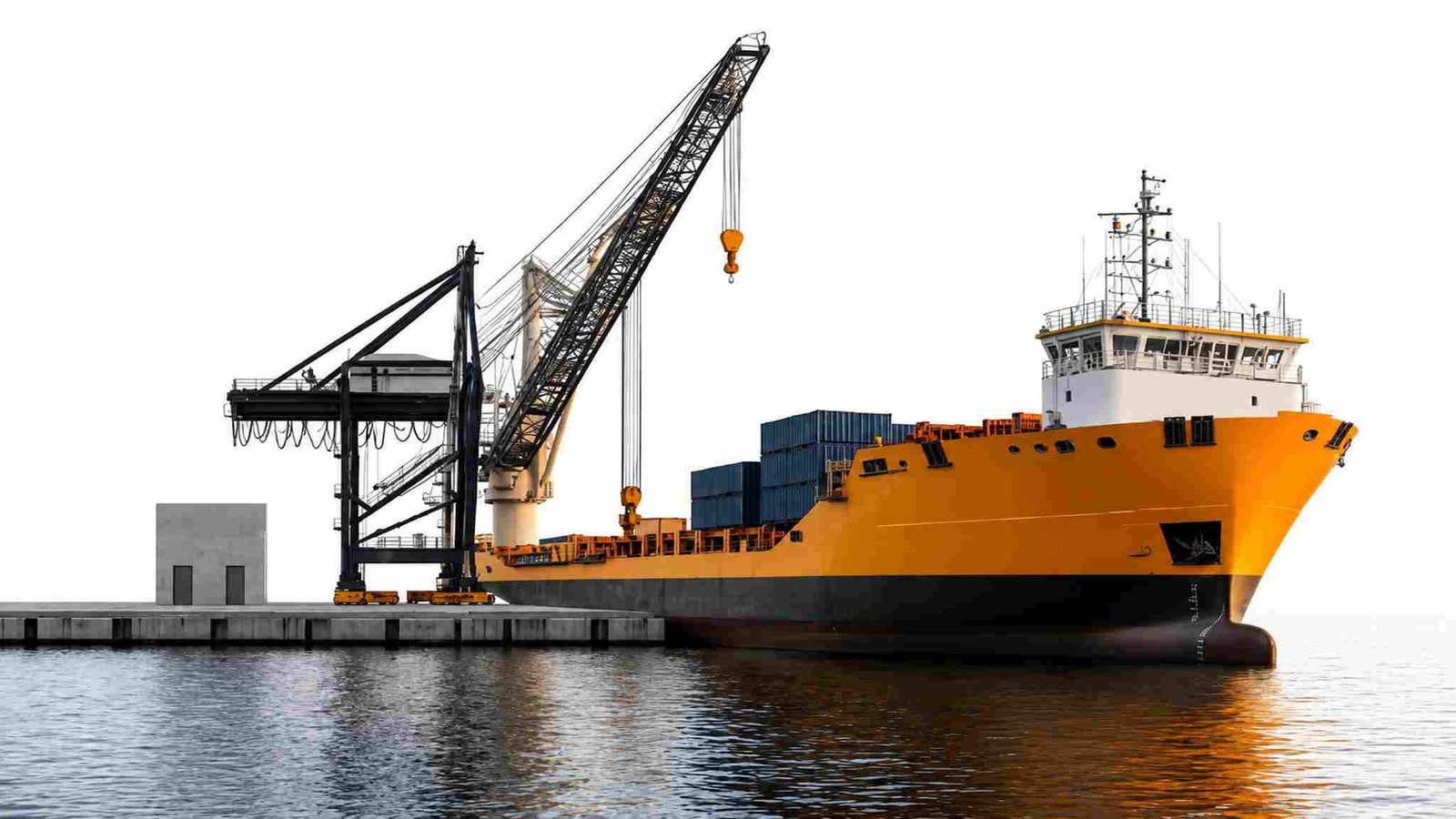




Have you ever spotted a long line of massive container ships anchored just outside a harbour, seemingly going nowhere? It’s not a glitch — it’s one of the busiest, most calculated systems in the world: marine logistics.
The Hidden Coordination Behind Every Ship
Behind every ship waiting its turn lies a complex web of scheduling, customs clearance, cargo handling, and port capacity planning. A single vessel carrying thousands of containers can’t simply pull up to a dock. Instead, port teams must sync its arrival with berth availability, tugboat schedules, customs paperwork, and even tidal conditions. Now multiply this by hundreds of ships moving through Indian ports every day. You start to see why marine logistics is less about ships and more about precision coordination.
Why Delays Cost More Than Just Time
India’s ports handle a significant share of the country’s international trade by volume, and that number is only growing as e-commerce and global supply chains expand. Every delay has a ripple effect — a ship stuck waiting, a container missing its connecting truck, a customs document submitted late. Together, these can cost businesses lakhs of rupees. That’s where trained marine logistics professionals step in.
Careers Hiding in Plain Sight
Roles in this field range from port operations and documentation to freight forwarding, customs coordination, and warehouse management. It’s a fast-moving, high-responsibility industry — and unlike many traditional degree paths, it doesn’t require years of theoretical study to break into. What it requires is practical, industry-relevant training.
Why Marine Logistics Could Be Your Next Step After +2
This is exactly the gap SMEC Institute of Management’s Logistics and Supply Chain Management course is built to fill. Instead of years of classroom theory with uncertain job prospects, students get hands-on exposure to real logistics operations, documentation processes, and port/freight workflows — paired with placement support designed to get them job-ready faster.
Especially for students who’ve just completed their +2 and are wondering whether a traditional degree is really the smartest next step, marine logistics offers a compelling alternative: a high-demand, ever-relevant field where practical skills matter more than a stack of certificates with no real-world application.
So the next time you see a ship anchored offshore, know that an entire industry — and a real career path — is quietly at work behind that wait. Curious where you could fit into it? Certainly, SMEC Institute of Management‘s logistics programs are designed to help you find out.