


Hospital administration is no longer limited to managing personnel, beds, and billing. In 2026, it will be at the crossroads of technology, patient-centered care, and operations intelligence.
Healthcare systems worldwide—and particularly in India—are under pressure from:
- Increasing patient volume
- Increasing healthcare expenditures.
- Labour shortages
- Demand for a better patient experience.
Hospital executives are now required to make strategic decisions, rather than just operational ones.
The Shift: From Traditional Management to Smart Healthcare Systems
Previously, hospital administrators concentrated on:
- Manual record keeping
- Basic operations management.
- Limited patient engagement.
Now it is developing into:
- Data-driven decision-making.
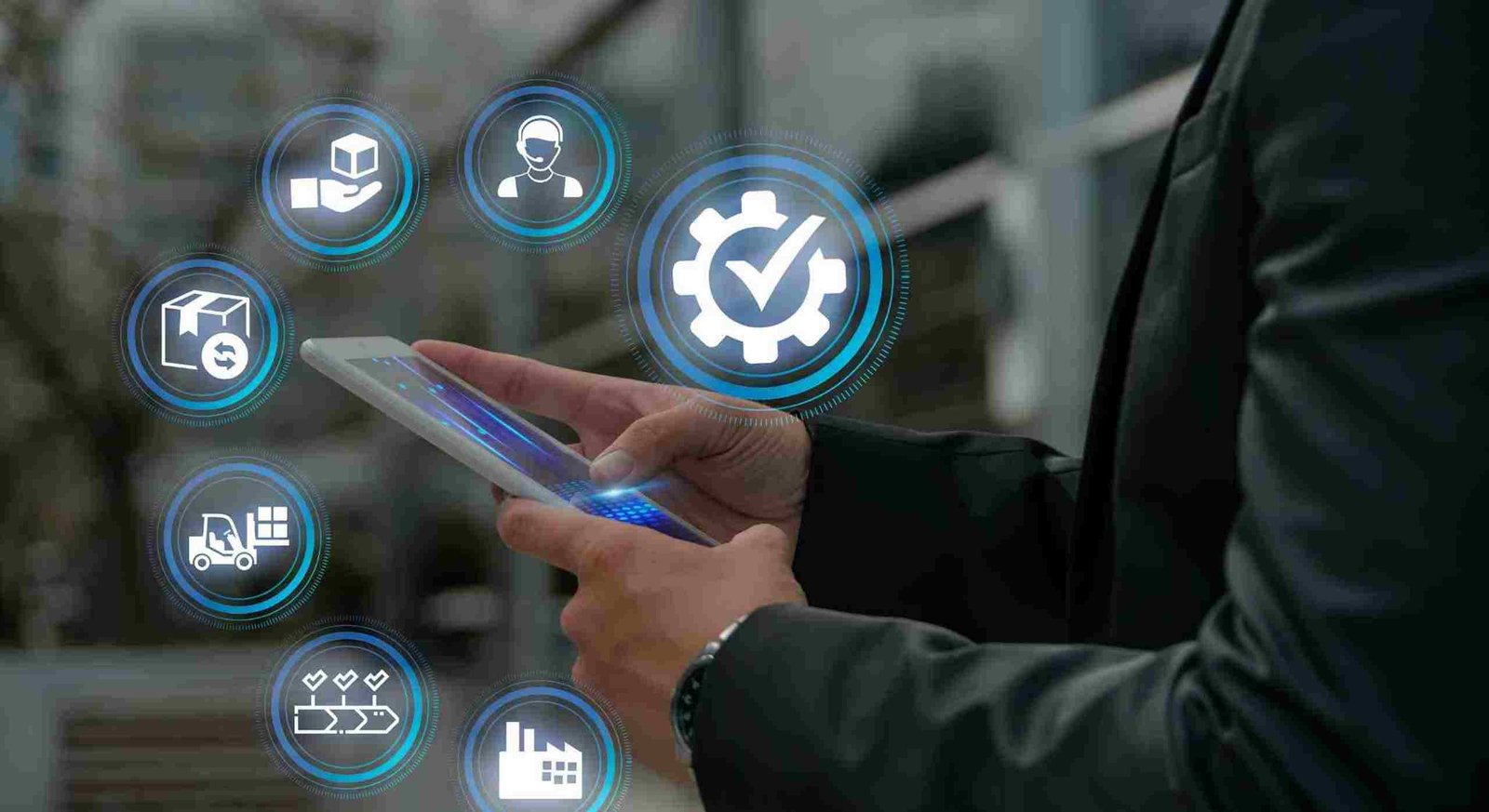
- AI-Assisted Hospital Operations
- Integrated digital ecosystems.
Key Technologies Driving Change:
- Hospital Information Systems (HIS)
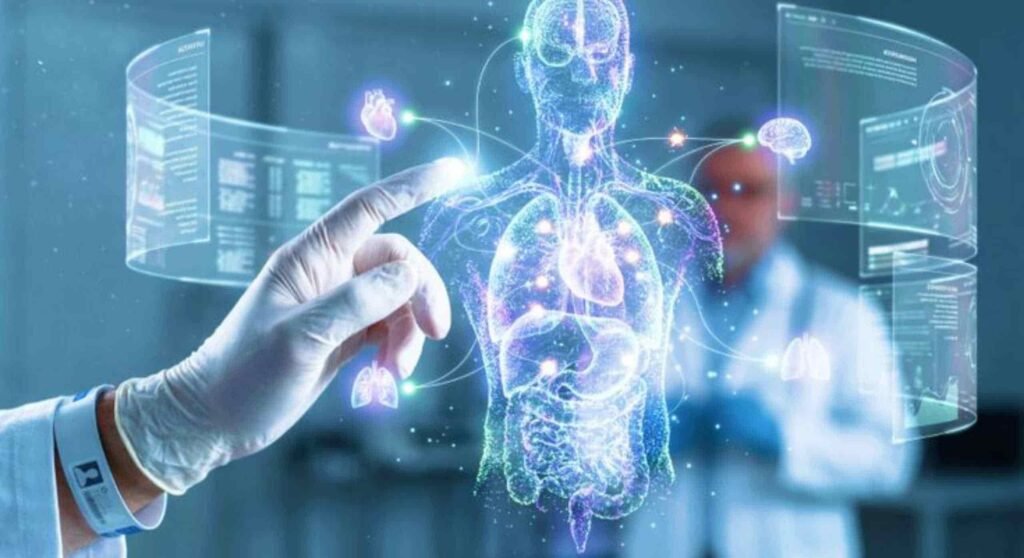
- Electronic health records (EHR) and artificial intelligence (AI).
- Internet of Medical Things (IoMT)
These tools enable hospitals to:
- Predict patient influx.
- Optimise staffing allocation.
- Reduce wait times.
- Improve clinical results.
Current Trends in Hospital Administration
1. AI and Automation in Hospitals
AI is currently changing hospital workflows.
Real-world applications:
- Predictive patient admissions
- Automated diagnostic support
- Intelligent scheduling systems
Chatbots for Patient Queries
Hospitals Using AI Report:
- Reduced operational costs.
- Faster diagnosis.
- Increased patient satisfaction.
2. Rise of Patient-Centric Care
AI is currently changing hospital workflows.
Real-world applications:
- Predictive patient admissions
- Automated diagnostic support
- Intelligent scheduling systems
- Chatbots for Patient Queries
Hospitals Using AI Report:
- Reduced operational costs.
- Faster diagnosis.
- Increased patient satisfaction.
3. Telemedicine and Remote Healthcare Expansion
Post-pandemic, telemedicine is not optional anymore. In India, platforms like: eSanjeevani (government initiative) Private telehealth services have scaled massively. Administrative impact: New workflows for virtual consultations Digital patient records integration Cross-location healthcare delivery.
4. Healthcare Workforce Challenges
There is a global scarcity of skilled healthcare workers.
Administrators must:
- Optimise workforce scheduling.
- Reduce burnout.
- Improve your retention methods.
This has led to the following:
- Flexible staffing models
- Upskilling programs
- Use automation to reduce manual workload.
5. Data Security & Compliance Pressure
With digitalisation comes risk.
- Hospitals currently manage vast volumes of sensitive patient information.
Administrators must ensure:
- Data Protection Policies
- Cybersecurity systems
- Compliance with regulations (such as NDHM in India).
Hospital Administration in India: What’s Changing Right Now
India’s healthcare sector is rapidly changing.
Key Developments:
- Ayushman Bharat Scheme increases access to healthcare.
- expansion of multi-specialty hospitals and chains
- Increased funding for health-tech startups.
What does this mean for administrators?
- Managing larger patient volumes
- Integrating Government Schemes
- Adopting digital infrastructure rapidly
Conclusion
In 2026, hospital administration will be a strategic leadership function rather than a backend duty.
The future belongs to experts who can:
- Combine healthcare knowledge with technology.
- Manage activities with precision.
- Offer outstanding patient experiences.
If you’re entering this field, prioritise skills over degrees.